Source simple and creative copper bracelet and ring set for Gifts, Parties, Weddings
Explore 30 listings of simple and creative copper bracelet and ring set options featuring gold, stainless steel, and alloy materials. Buyers can compare styles like light luxury and fashion, along with customization and packaging details for decoration and gifting needs.
Key considerations
Products List





Comprehensive Sourcing Guide
Simple and Creative Copper Bracelet and Ring Set Sourcing Guide
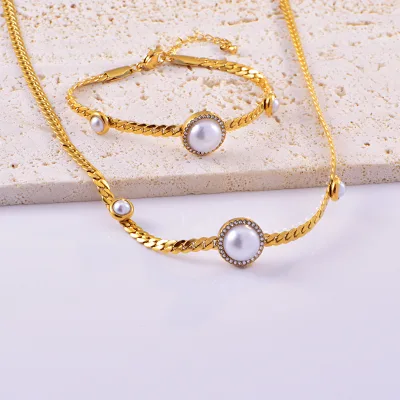
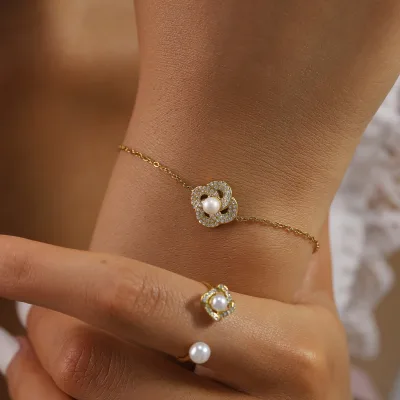
Sourcing a simple and creative copper bracelet and ring set requires distinguishing between genuine copper components and plated alternatives, as the market often lists stainless steel or alloy items alongside copper products. Buyers must carefully verify the material composition, noting that while some listings explicitly state copper, others may feature copper plating over stainless steel or alloy bases to achieve a similar gold aesthetic. This distinction is critical for procurement decisions, as the material choice directly impacts the product's weight, durability, and suitability for specific applications like weddings or parties.
Procurement teams should also scrutinize the customization options available, as many suppliers offer tailored logos and packaging solutions to meet brand requirements. The observed product data indicates that customization is a standard feature, allowing buyers to align the jewelry with specific marketing campaigns or gift-giving occasions. However, the extent of this customization varies, with some suppliers offering simple logo printing while others provide full design modifications, necessitating a clear definition of scope before engaging with potential vendors.
Product Scope and Observed Listing Signals
The product scope for this category spans various styles, including light luxury and fashion designs, with specific models like LX0683 and 1020 appearing in the market. Listings frequently highlight attributes such as gold color and diamond-encrusted aesthetics, even when the base material is copper or alloy. Buyers should recognize that these visual descriptors often refer to the finish rather than the core material, meaning a "diamond-encrusted" bracelet might actually feature simulated stones set in copper or stainless steel, requiring careful verification of the actual product specifications.
Observed listing signals reveal a wide range of usage scenarios, from decoration and gifts to formal occasions like anniversaries and weddings. The data shows that products are often marketed with specific style tags like "Star Fashion" or "Simple," indicating a diverse inventory that caters to different consumer preferences. Procurement teams must navigate these varied signals to identify items that truly match the "simple and creative" criteria, ensuring that the selected set aligns with the intended target audience and the specific occasion for which the jewelry is being sourced.
Technical Specifications to Verify
Technical verification must begin with the material composition, as the supplied facts list both copper and stainless steel as primary materials for similar product types. Buyers should request detailed material certificates to confirm whether the item is solid copper, copper-plated, or an alloy with a copper finish, as this affects the product's longevity and resistance to tarnish. The weight specifications also vary significantly, with some items listed at 0.02kg while others range from 0.9g to 40g, requiring precise measurement to ensure the final product meets the desired tactile and aesthetic standards.
Dimensional and structural specifications are equally critical, with observed data showing standard lengths like 45cm plus a 5cm extension and weight ranges that define the product's heft. Buyers need to verify the fabrication processing methods, such as electroplating, which are often used to achieve the gold color and protective finish. Additionally, the shape of the components, such as round designs, and the specific model numbers like AE333 or BR325 should be cross-referenced with physical samples to ensure consistency in the final delivered goods.
Compliance and Safety Documentation
Safety compliance is a paramount concern, particularly regarding the use of nickel-free and lead-free materials, which are explicitly mentioned in several product listings. Buyers must ensure that all copper and alloy components meet these eco-friendly standards to prevent skin irritation and ensure consumer safety, especially for products intended for sensitive skin or children. The presence of certifications like SGS and CE in the market data suggests that some suppliers adhere to rigorous safety protocols, but verification of these documents is essential before finalizing any bulk order.
Beyond material safety, packaging and logistics standards play a crucial role in maintaining product integrity during transit. The observed data indicates a mix of packaging types, from simple OPP bags to independent packaging and cartons, each offering different levels of protection. Procurement teams should verify that the chosen packaging method aligns with the fragility of the jewelry and the specific logistics requirements of the destination market. Ensuring that the packaging meets the necessary standards for transportation will help minimize damage and maintain the high-quality appearance of the simple and creative copper bracelet and ring set.
Cost Drivers and Commercial Terms
Cost drivers in this category are heavily influenced by the material composition and the extent of customization requested. While copper is a base metal, the addition of electroplating, simulated diamonds, and custom logos can significantly increase the unit price. Buyers should analyze the price policy, which is often quote-based, to understand how factors like order volume and specific design requirements impact the final cost. The observed price range of 0.34 to 20.26 USD highlights the variability in pricing, necessitating a detailed cost breakdown to ensure value for money.
Commercial terms, including MOQ and lead times, are critical factors that affect the overall procurement strategy. The market data shows MOQs ranging from 1 to 300 units, with some suppliers requiring a minimum of 50 pieces per style. Buyers must negotiate these terms to align with their inventory needs and cash flow constraints. Additionally, understanding the selling units, whether single items or bulk sets, is essential for accurate budgeting and planning, as it determines the minimum order quantity and the total investment required to secure the desired product mix.
Supplier Qualification and Quality Control
Supplier qualification should focus on verifying the origin and production capabilities, as the data indicates a concentration of suppliers in regions like Shen Zhen and Guangdong, China. Buyers must assess the supplier's ability to maintain consistent quality across different models, such as the LX0683 and 1020 series, and ensure they can meet the specific customization requirements. The presence of features like "High Quality" in listings is a claim that must be validated through sample testing and reference checks to confirm the supplier's reliability and production standards.
Quality control processes must be robust, covering everything from material inspection to final packaging. Buyers should implement a rigorous inspection protocol that checks for defects in the electroplating, the accuracy of the custom logos, and the integrity of the packaging. Given the variation in product weights and dimensions, a random sampling strategy is recommended to ensure that the delivered goods match the agreed-upon specifications. Establishing a clear quality control framework with the supplier will help mitigate risks and ensure that the final product meets the high standards expected for simple and creative copper jewelry.
Long-Term Procurement Checks
Long-term procurement success depends on establishing a reliable supply chain that can adapt to changing market demands and consumer preferences. Buyers should regularly review the supplier's performance against key metrics such as on-time delivery, defect rates, and responsiveness to customization requests. The dynamic nature of the jewelry market, with trends shifting between styles like "Light Luxury" and "Simple," requires a flexible partnership that can quickly adjust production to meet new design requirements without compromising quality.
Continuous monitoring of compliance and safety standards is also essential for maintaining a strong brand reputation. As regulations evolve, suppliers must remain up-to-date with the latest requirements for nickel-free and lead-free materials. Buyers should schedule periodic audits and request updated certification documents to ensure ongoing compliance. By maintaining a proactive approach to supplier management and quality assurance, procurement teams can secure a steady supply of high-quality copper bracelet and ring sets that meet the evolving needs of their customers.
FAQs
What materials are used for the bracelets?
The bracelets are crafted from copper and stainless steel. Some styles feature light luxury designs with diamond-encrusted details. These materials ensure durability and a premium aesthetic suitable for fashion accessories. The gold color finish adds a sophisticated touch to the jewelry pieces.
Can I customize the logo on the jewelry?
Yes, customization is available for these jewelry items. Buyers can request customized logos to be applied to the products. This service allows for personal branding or corporate gifting needs. The customization options ensure that the final product aligns with specific design requirements and brand identity.
What is the minimum order quantity for these items?
The minimum order quantity varies by product. Some items have an MOQ of 50 pieces, while others range from 1 to 300 units. Buyers should check specific product listings for exact MOQ requirements. This flexibility accommodates both small trial orders and larger bulk purchases for retail distribution.
Are the earrings safe for sensitive skin?
Yes, the alloy earrings are nickel-free and lead-free. This ensures they are safe for individuals with sensitive skin. The eco-friendly materials prevent allergic reactions commonly associated with cheaper jewelry. Buyers can trust the safety standards for daily wear and gifting purposes without concerns about skin irritation.
Where are these jewelry products manufactured?
These jewelry products are manufactured in China, specifically in Shen Zhen and Guangdong. The origin ensures access to established supply chains and manufacturing expertise. Buyers can rely on the consistent quality and production capabilities of these regions for their sourcing needs.
What certifications do the products hold?
Some products hold SGS and CE certifications. These standards verify quality and safety compliance for international markets. Buyers can request documentation to ensure regulatory adherence. The certifications provide assurance regarding material safety and manufacturing processes for global distribution.